
Change through Dialog
Strengthening trust in science and promoting social cohesion: effective science communication contributes precisely to this. It supports scientists in conveying the value of their research and it helps to make the process of knowledge acquisition transparent for society.
Communicating clearly and openly is becoming increasingly important in an ever-more complex world. This is a societal responsibility of research that TU Dortmund University takes very seriously. That is why our researchers take a stand on controversial issues, engage in public outreach, and advise policymakers. They develop strategies to counter fake news, train the next generations of science journalists – and thereby lay the foundation for science communication based on trust.
Public Voices
Many researchers at TU Dortmund University are key voices in science and society. They discuss pressing issues such as migration, loneliness, education, and climate change, and share scientific findings with the media and the public.
-
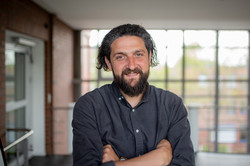
Prof. Aladin El-Mafaalani is one of Germany's most prominent voices on migration and education. The sociologist from TU Dortmund University frequently presents his research findings on television and in panel discussions. His non-fiction books on integration, racism and education have appeared on bestseller lists. He was awarded the Federal Cross of Merit in recognition of his public work. -
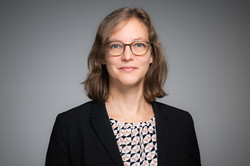
Prof. Nele McElvany is the scientific director of the PIRLS/IGLU study in Germany, which assesses and compares the reading skills of elementary school children worldwide. The education researcher from TU Dortmund University shares her findings on the causes of reading deficits with the public and engages in dialogue with policymakers and educators to apply these findings to school practices. -
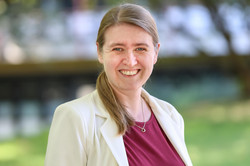
Theoretical physicist Prof. Doris Reiter sent a quantum light source across Europe and reached more than a million people within a year through laboratory demonstrations, a podcast series, and digital platforms. The QuanTour format gave the public insights into the world of quantum physics and earned the professor from TU Dortmund University several international awards. -
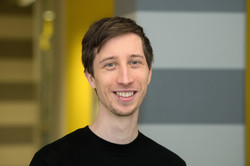
Dr. Marcel Sebastian examines how our society treats animals. Why do we love and pet some animals while slaughtering and eating others? For his research, the sociologist from TU Dortmund University interviews slaughterhouse workers as well as veterinarians. He shares his expertise through various formats, including journals, documentary films, and his own nonfiction book. -
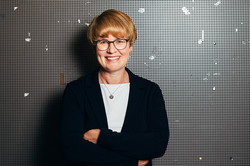
Prof. Ricarda Steinmayr's research focuses on the well-being of children and adolescents. The question of how happy or unhappy they are has become a topic of increasing public concern in the aftermath of the COVID-19 pandemic. The psychologist from TU Dortmund University is also involved in prevention efforts and develops training programs to strengthen students' social and emotional skills. -
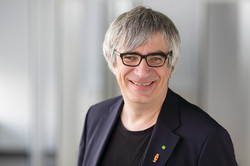
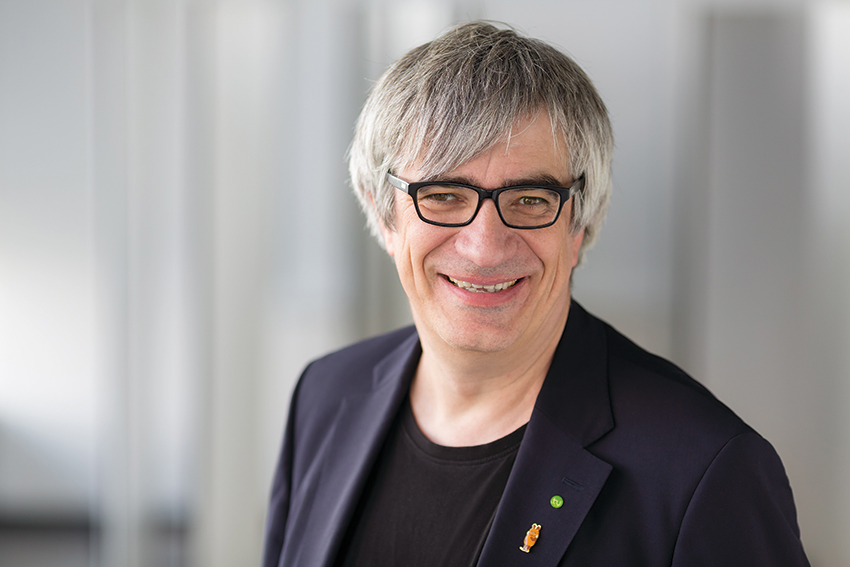
Prof. Metin Tolan, experimental physicist at TU Dortmund University, is known for explaining complex physical principles through everyday phenomena. Through his books and lectures, which link physics to soccer and films such as James Bond and Titanic, he reaches a nationwide audience. In 2013, he received Germany’s prestigious Communicator Award for his innovative approach to science communication.



Expertise for Policy
From demography and racism to the economy and STEM education: our experts are in high demand among policymakers and government agencies for their specialized knowledge. They chair commissions for federal and state governments, serve on advisory boards, and advise public institutions.
-
Prof. Susanne Prediger conducts research at TU Dortmund University in the field of mathematics didactics and teaching methods. Since 2021, she has been contributing her expertise to the Standing Scientific Commission on Education Policy (SWK), which advises the federal states on education policy issues. The mathematics didactics expert produces evidence-based assessments of which measures are useful for improving the quality of school education. -

Prof. Frank Lobigs researches media economics and the digital transformation of the media at TU Dortmund University. He regularly contributes his expertise as a consultant for public broadcasters in Germany, Austria and Switzerland. As an economist and communication scientist, he is also a sought-after contact for journalists and politicians - for example on topics such as the social value of digital media and the economic consequences of media policy decisions. -

Prof. Jens Pothmann heads the research network of TU Dortmund University and the German Youth Institute in Munich. The network's reports on topics such as the expansion of childcare and the shortage of skilled workers provide an important basis for decisions, reform processes and legislative procedures at federal, state and municipal level. For example, Prof. Pothmann was involved in the empirical basis for the evaluation of the Federal Child Protection Act in 2015. -

Prof. Gabriele Sadowski has been a member of the German Council of Science and Humanities since 2022. The council advises the federal and state governments on issues relating to the development of science, research and universities. Sadowski, Professor of Thermodynamics at TU Dortmund University, is one of the most renowned researchers in her field. She was awarded the Gottfried Wilhelm Leibniz Prize and is Principal Investigator (PI) in the RESOLV Cluster of Excellence. -

Prof. Stefan Greiving is Professor of Spatial Planning and Risk Management at TU Dortmund University. In research projects, he works with authorities at federal, state and municipal level to develop climate adaptation strategies. After the devastating flood disaster in the Ahr Valley in 2021, he provided scientific support during the reconstruction process. -
Laura Naegele has been appointed to the commission for the German government's tenth report on ageing. The eleven commission members will examine how education can enable older people to take on new social roles and age actively, and shed light on the emergence of educational inequalities. Laura Naegele is a junior professor of employment and education in old age at TU Dortmund University and will contribute her expertise to the report as a member of the commission. -
Prof. Christian Deindl, who researches family, health and life course sociology at TU Dortmund University, is deputy chairman of the Independent Advisory Council on the Compatibility of Care and Work. The advisory board, which was set up by the German government, is tasked with developing solutions on how to reconcile caring for a relative with a career. The advisory board consists of 21 members appointed by the ministry and made up of representatives from various status groups.



Science Journalism: Informed Discourse
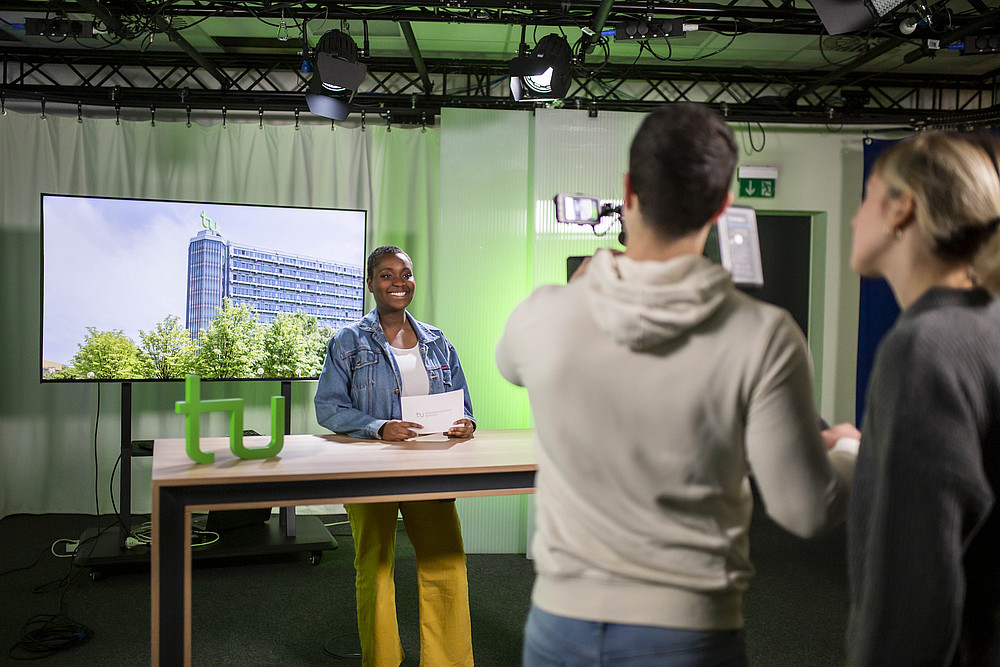
As the only program of its kind in Germany, the bachelor degree in science journalism at TU Dortmund University has been training young people since 2003 to effectively communicate and critically evaluate scientific knowledge. Research projects from the department also provide impetus to improve reporting on health, the environment, or AI – for example, the “Medien-Doktor” (Media Doctor), a monitoring platform for science coverage.
The Knowledge Makers

Ranga Yogeshwar, Mai Thi Nguyen-Kim, and MrWissen2Go Mirko Drotschmann: all of them have been guests at “Die Wissensmacher” (The Knowledge Makers) – a series of events organized by the Science Journalism Section at TU Dortmund University in collaboration with Ruhr University Bochum. Renowned media professionals discuss their daily work lives at the intersection of science, journalism, and communication.
Rhine Ruhr Center for Science Communication Research
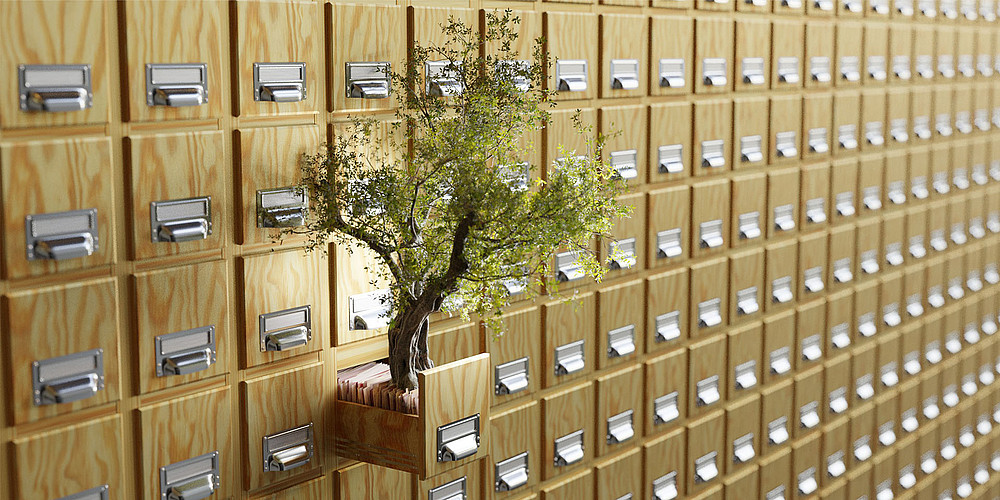
Scientific findings are often politicized, oversimplified, or overshadowed by misinformation in the public sphere. What should science communication look like in the face of these challenges? How can we successfully convey research in a nuanced way and contextualize facts thoughtfully? The Rhine-Ruhr Center for Science Communication Research (RRC) – a collaborative project between TU Dortmund University, the Institute for Cultural Studies in Essen (KWI), the University of Bonn and Bonn-Rhein-Sieg University of Applied Sciences – is investigating along those lines.
Open Doors: Welcome to Campus
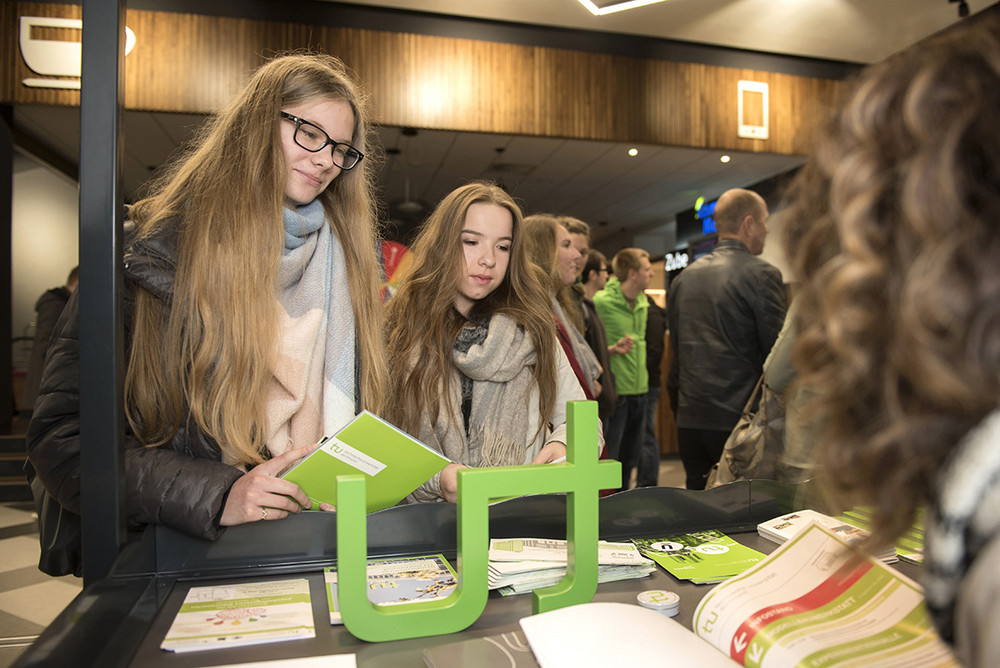
This, too, is science communication: through events like Open House or the Children’s University, TU Dortmund University invites the public onto campus. This allows adults and children to get to know the university from entirely new perspectives – and experience firsthand what research contributes to society. Come visit!
Lecture Series for Everyone

Whether it’s the physics of everyday life or climate change: In TU Dortmund University’s public lecture series, you’ll learn more about scientific topics – explained in a way that’s understandable and entertaining for non-experts.
In this public lecture series, researchers from various departments present scientific findings, societal impacts, and potential solutions to climate change – providing interested participants with in-depth knowledge about climate and global warming.
Modern Physics for Everyone: The public lecture series “Zwischen Brötchen und Borussia” (Between Bread Rolls and Borussia) has been popular with children and adults alike for 20 years. No wonder, since the lecturing scientists manage to explain physical phenomena to their audience in a way that’s relatable to everyday life and entertaining.
This public lecture series brings science to the heart of the city: It’s taking place at the “Reinoldikirche” (St. Reinold's Church), a venue that serves not only as a backdrop but is also an integral part of the experience. Through images and sounds, the evenings offer insights into art history, musicology, and history.
For more information about our activities, visit our website on science communication.